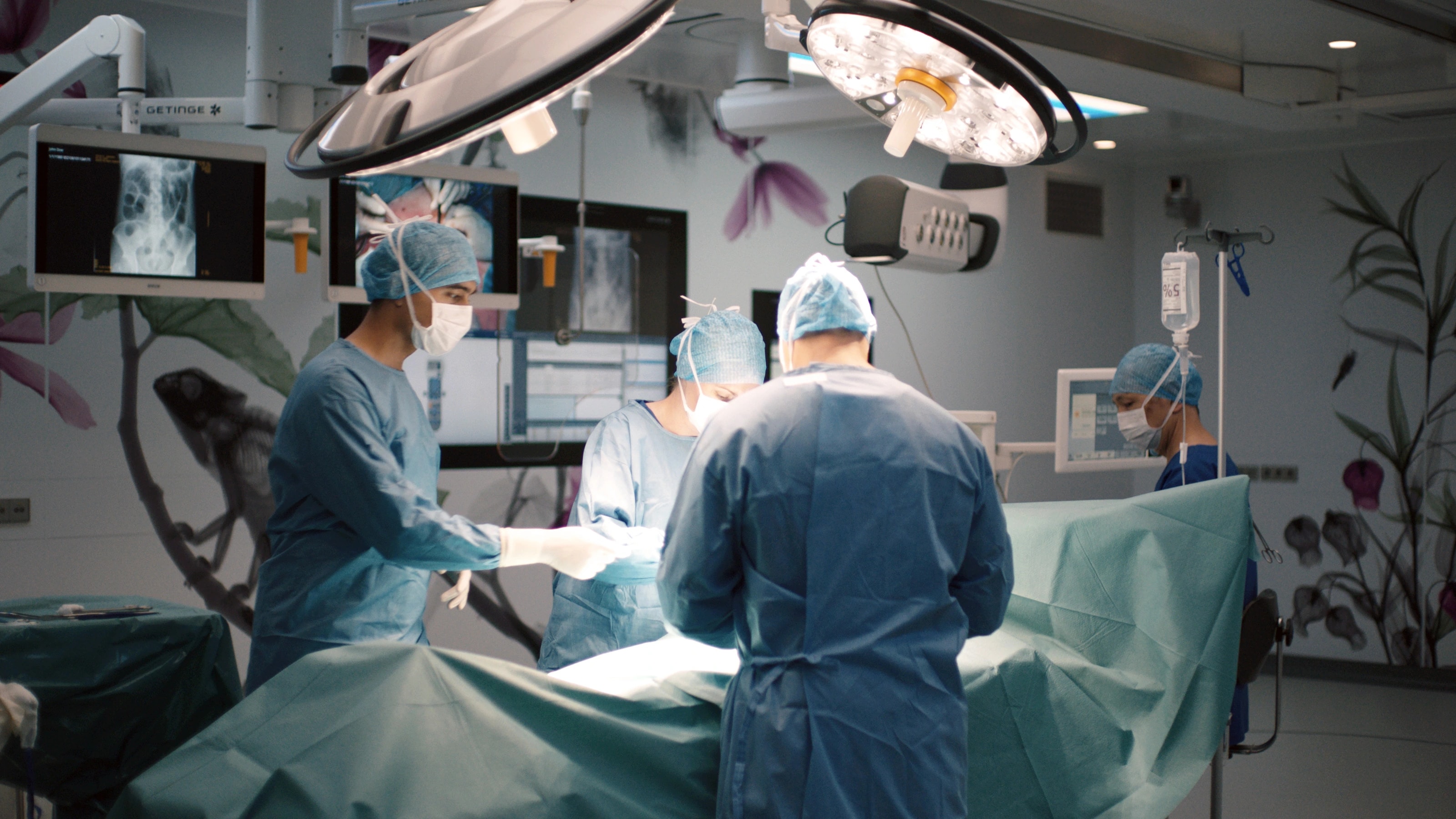
Outpatient procedures
Dedicated space for providers delivering minor procedures and ambulatory treatment.
Explore Outpatient procedures
Mobile infusion · 45-foot platform

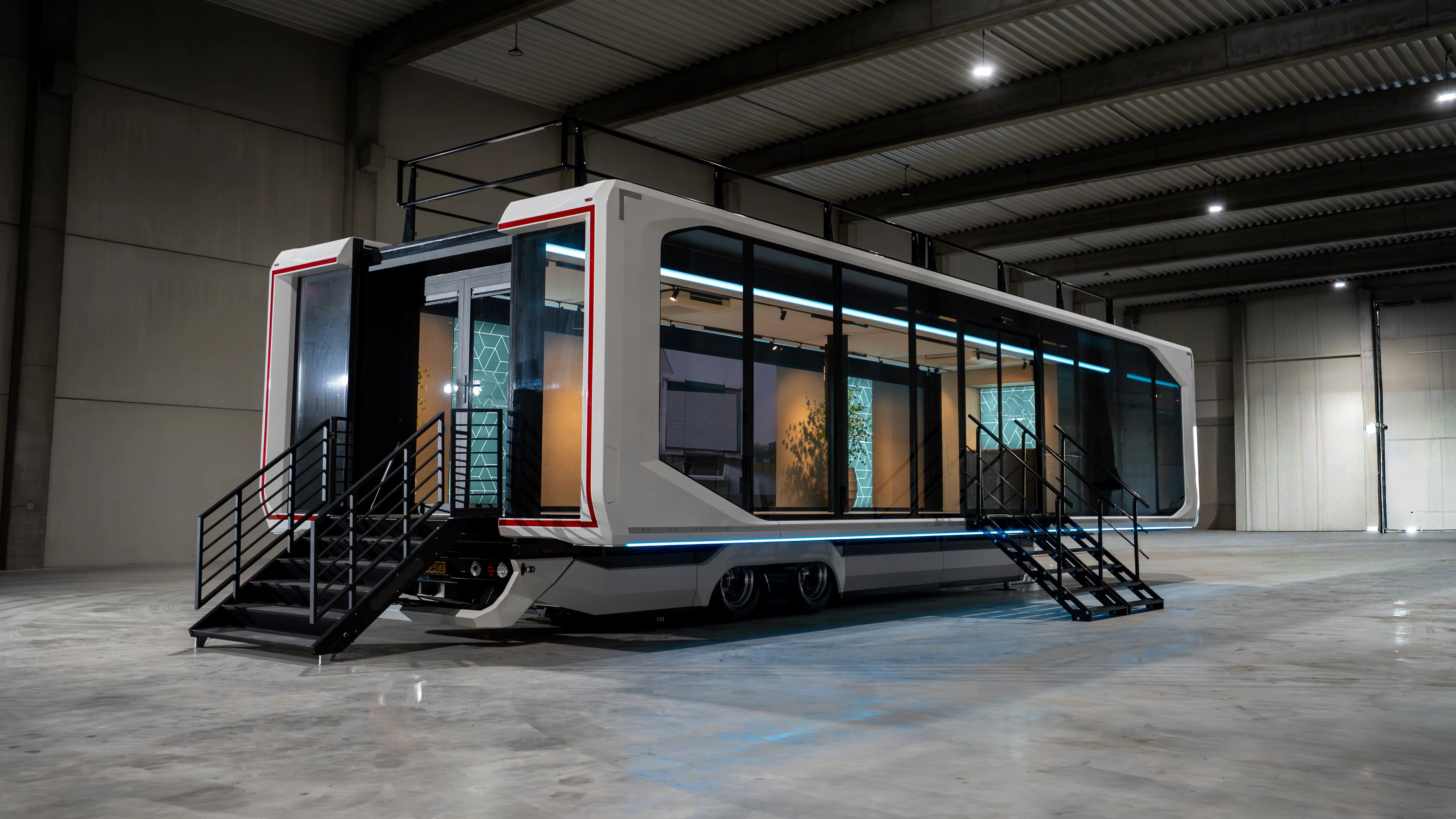
Base-platform reference photographs. Clinical fit-out, privacy finishes and access are specified per project.
An expandable platform. An infusion interior planned around your service.
Explore the clinical storySide sections move out from the retracted shell. This continuous time-lapse shows the base platform before stairs and roof rails are set up. The clinical interior and site requirements are specified for your project.
Open the filmPatient seating, the clinician’s working position and the treatment equipment are considered together. Staff access, control visibility and line routing form part of your service brief.
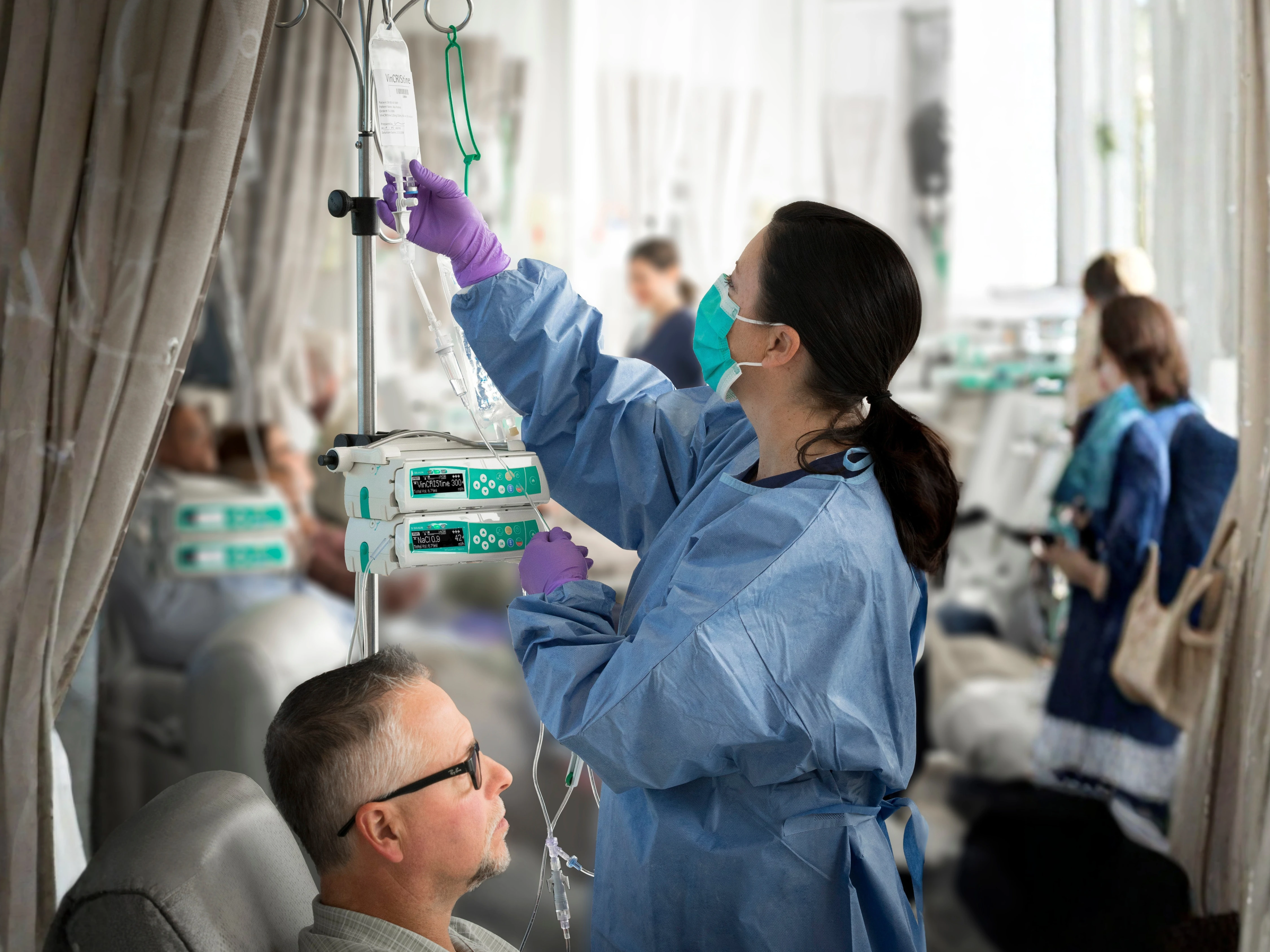
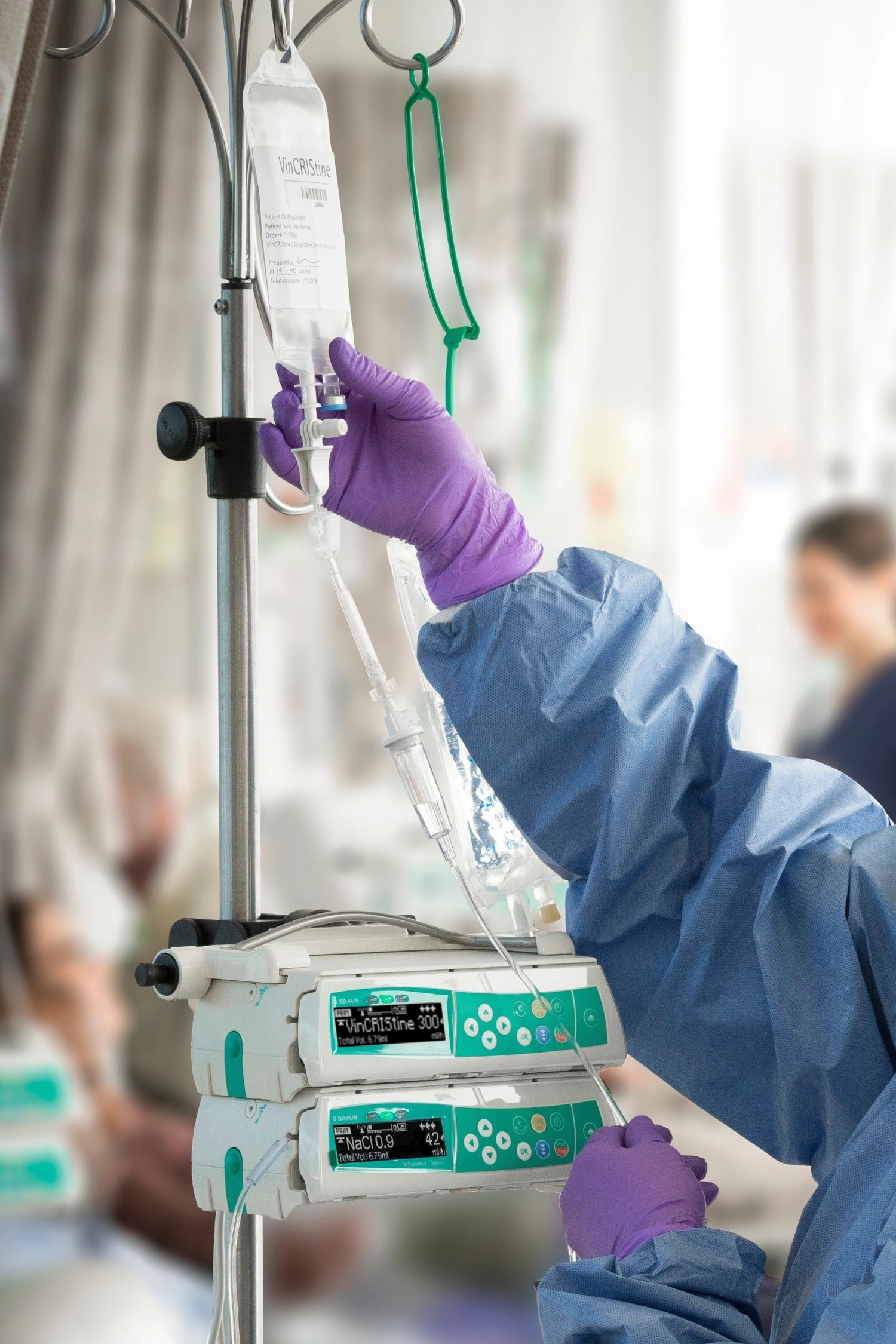
This native detail from the same photograph shows two stacked B. Braun Space pumps, the hanging bag and the clinician’s hands. The configuration, accessories and service connections follow your clinical specification.
Open the complete imageThis close view studies one chair within a current expandable platform reference. The full infusion layout brings treatment positions, assessment, storage and clinical support into the service brief.
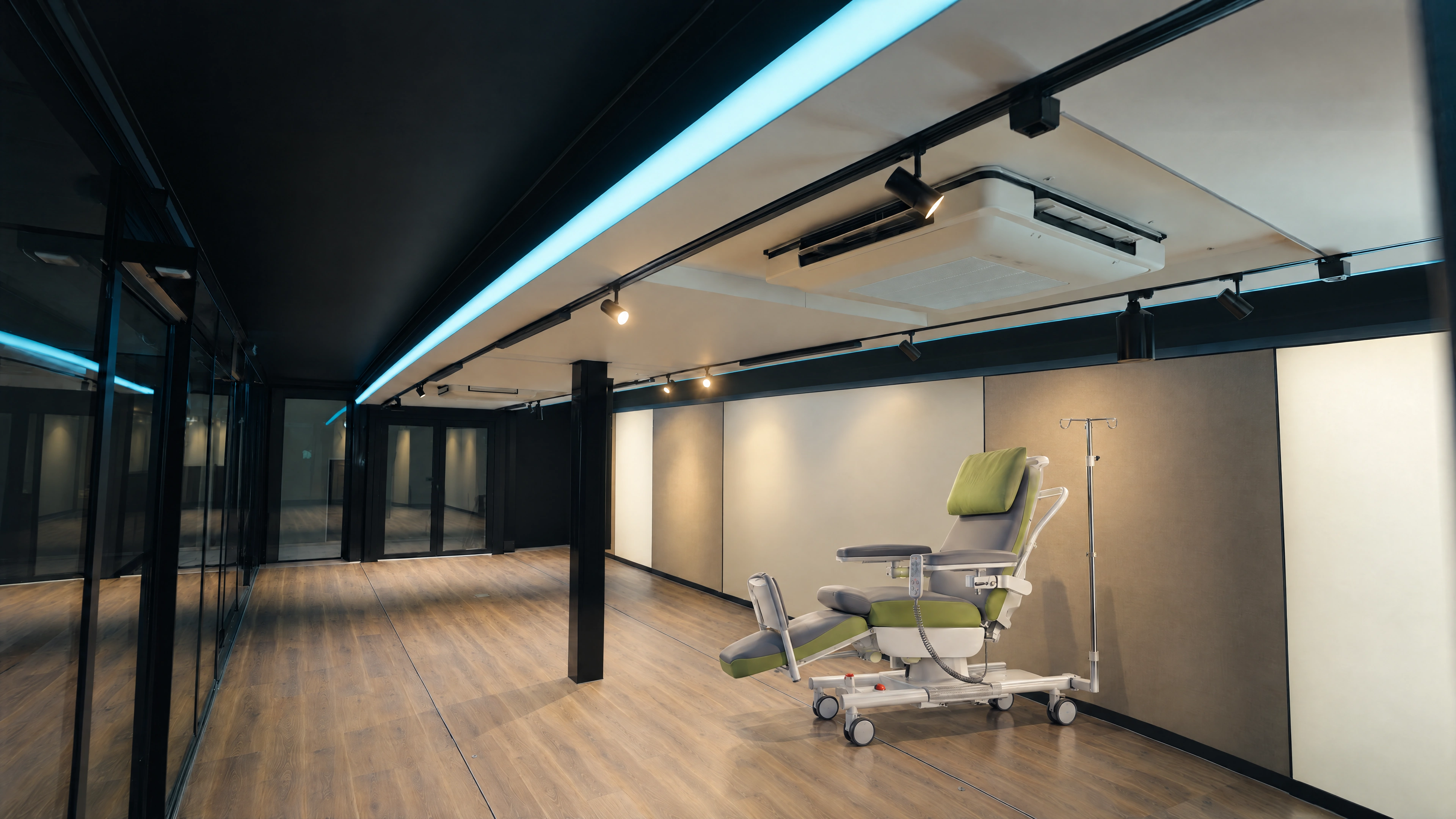
Compare the upright and lying-flat manufacturer references below. The final chair, accessories and location follow the clinical and equipment review.
Plan the clinician’s approach and patient transfer around the selected chair and treatment equipment. Working clearances follow the clinical and equipment review.
The post and floor joints remain part of the layout review. Equipment placement, deployment and transport arrangements are agreed for the project.
These manufacturer views show upright and lying-flat configurations. Chair selection, staff access and nearby equipment are reviewed for the project.
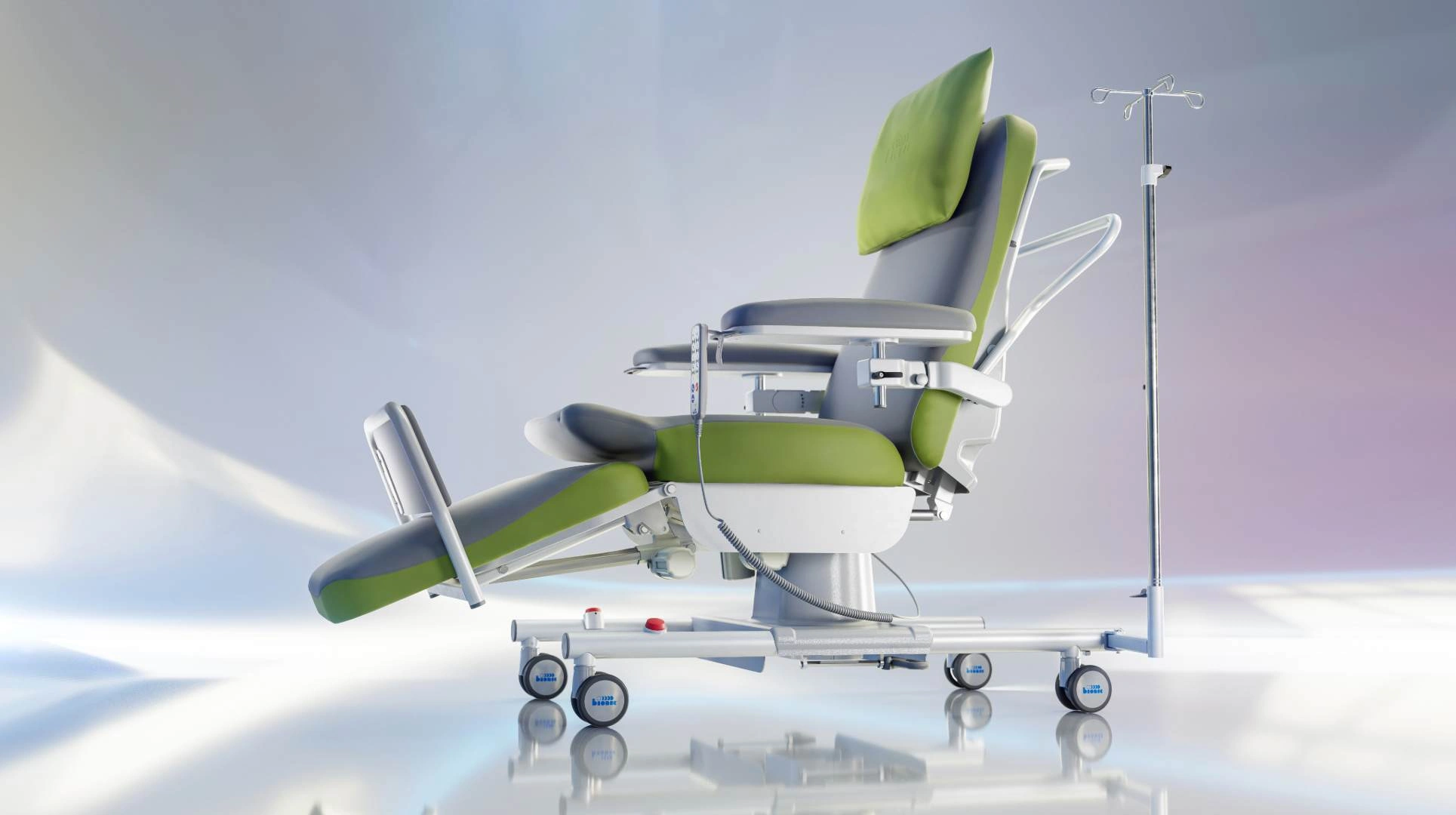
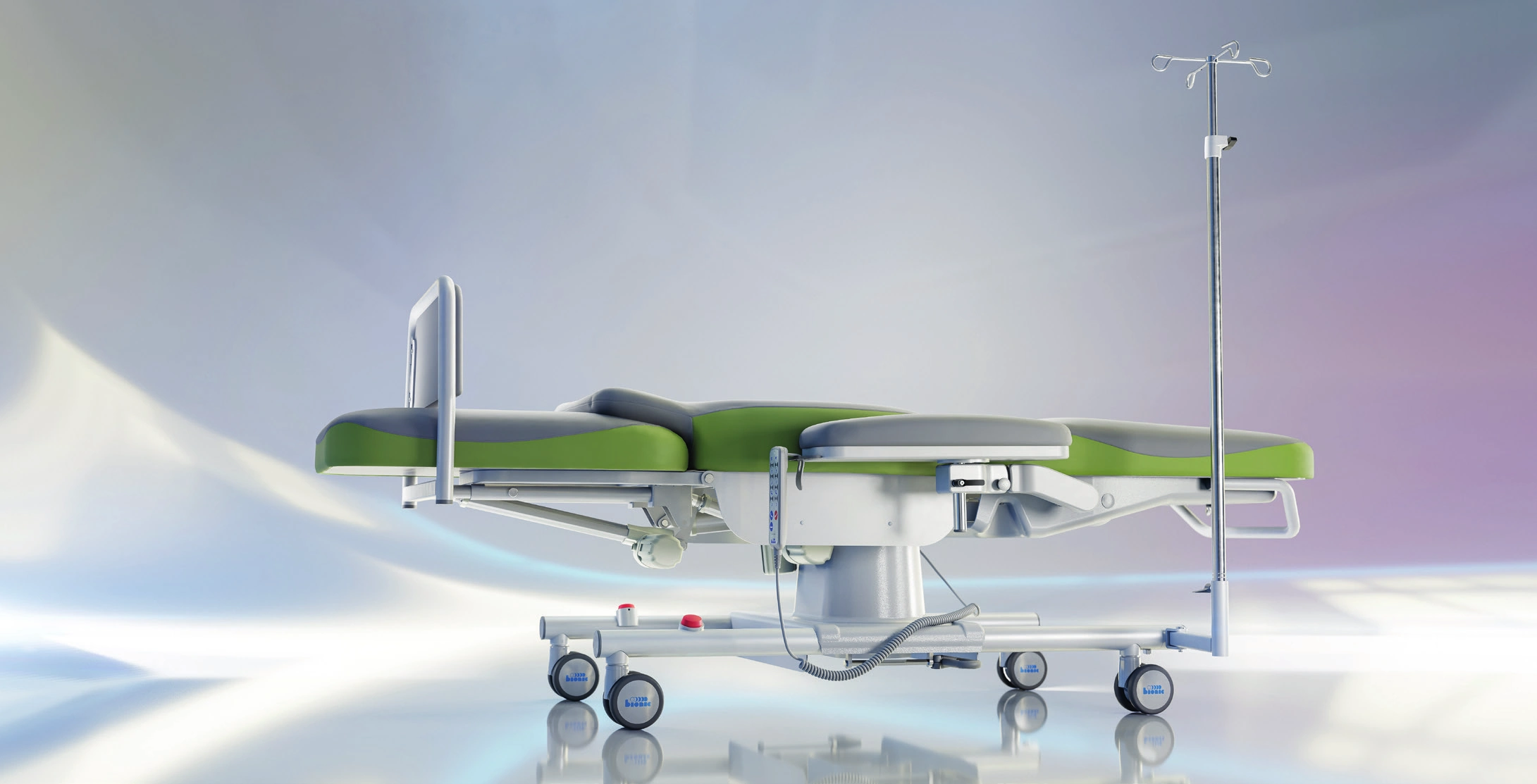
BIONIC ComfortLine3 manufacturer reference images, separate from the illustrated chair. Final model, accessories and layout follow the clinical and equipment review.
Planning your infusion clinic
One standardized 45-foot expandable platform, for an individual clinic or a fleet.
Treatment chairs, observation, assessment and medication and consumables storage are planned for the clinical application. The final layout and service connections follow equipment and site review.
Share your therapy mix, equipment specification, locations and schedule. Preparation, monitoring and emergency support are specified around your service. Drug preparation arrangements are agreed with the responsible provider.
Dedicated space for providers delivering minor procedures and ambulatory treatment.
Explore Outpatient proceduresTherapy and assessment space for rehabilitation providers visiting communities, workplaces or hospital sites.
Explore RehabilitationAssessment and treatment space for providers adding same-day care at community or event locations.
Explore Urgent care